PHIT Data Systems Strengthens
Leaving a Lasting Systems Legacy: PHIT Strengthens Data Systems in Geita Through Strategic Partnership
- 20 June 2024
- 10:00
- Geita
As the Mlinde Mama project approached completion, Prime Health Initiative Tanzania (PHIT) took a deliberate step to ensure that its impact would extend far beyond the life of the project.
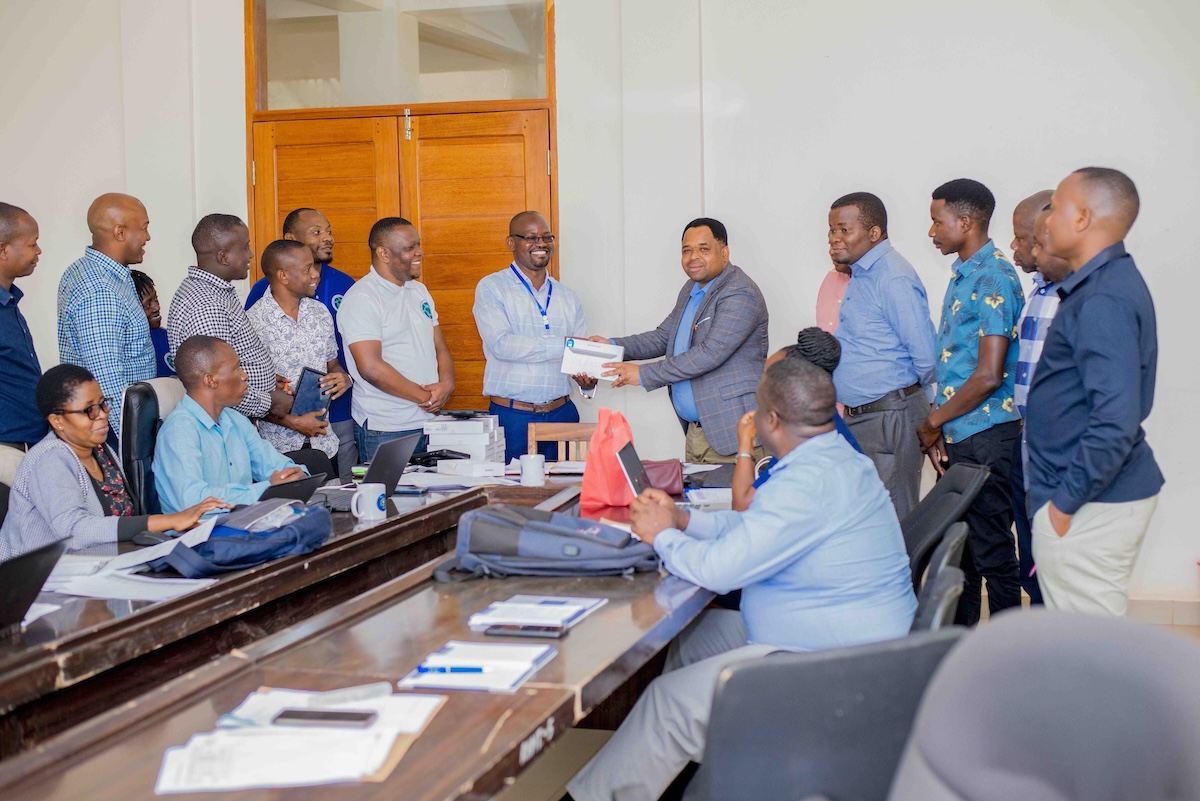
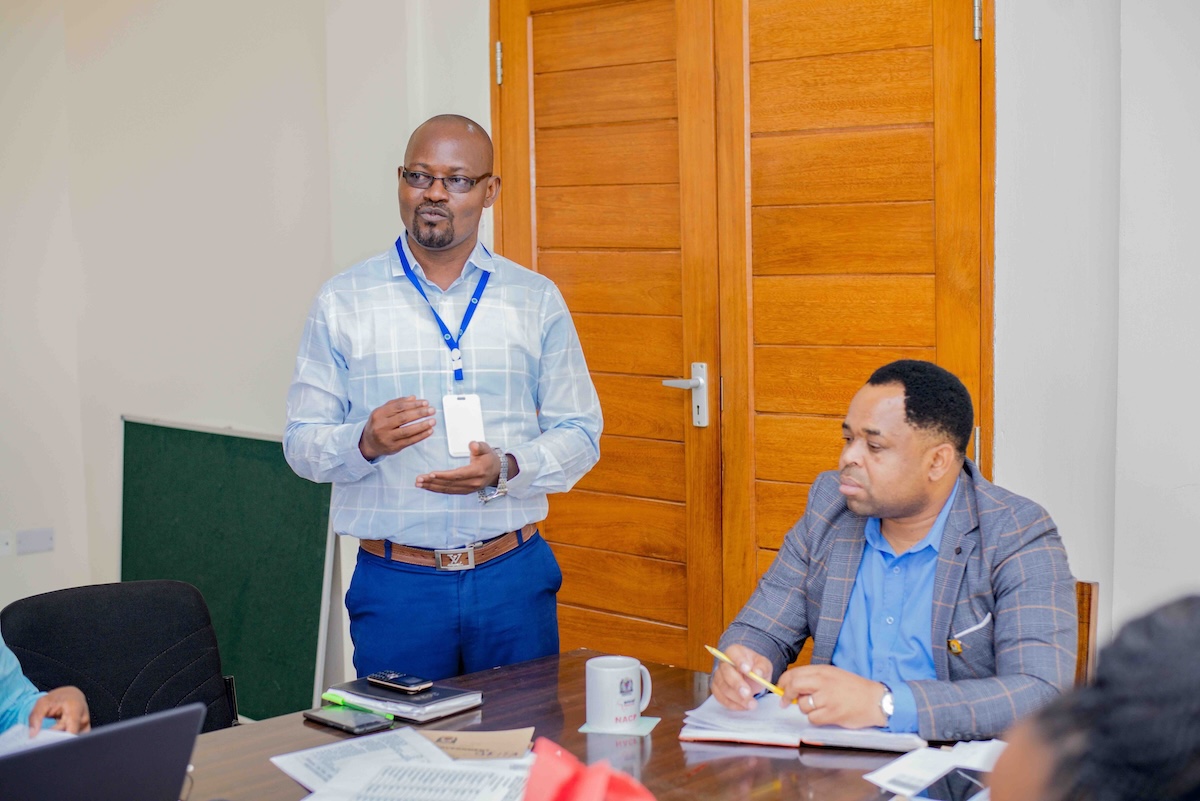
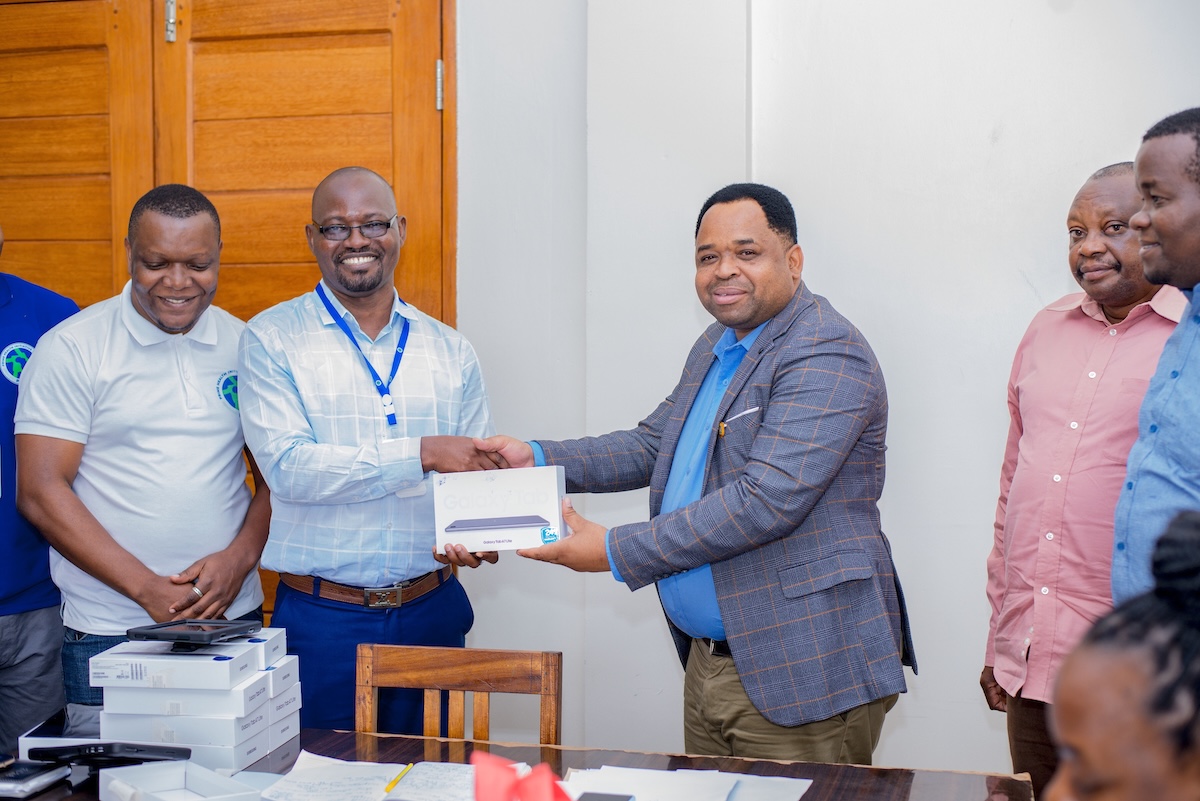
In a symbolic and strategic handover, PHIT donated essential digital and office equipment to the Geita Regional Council Health Management Team (R/CHMT), under the leadership of Regional Medical Officer, Dr. Omari Sukari. This transition reflects PHIT's core commitment not only to innovation, but to sustainability, local ownership, and long-term health systems strengthening.
Strengthening Data for Better Maternal Health Outcomes
Throughout implementation (2022–2024), the Mlinde Mama project demonstrated that high-quality, phit_user-time data is central to improving maternal health outcomes—particularly for early detection of high-risk pregnancies such as pre-eclampsia. To sustain these gains, PHIT donated:
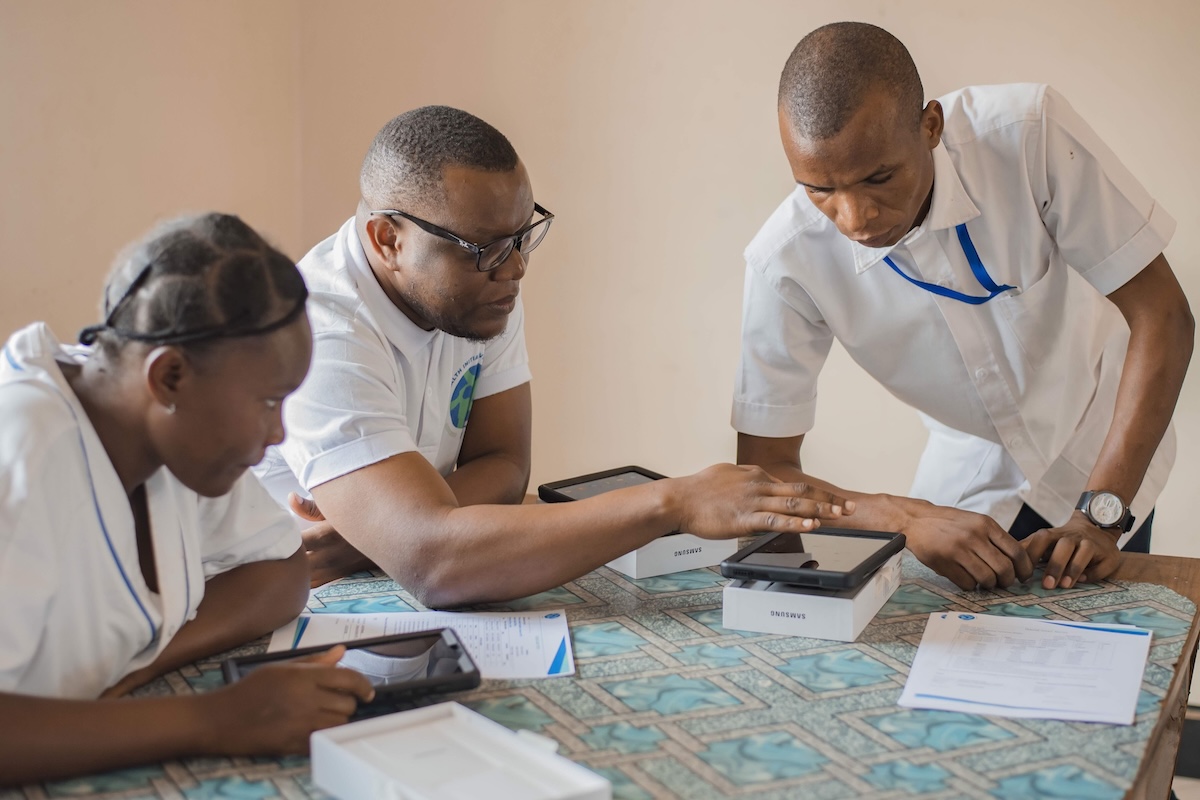
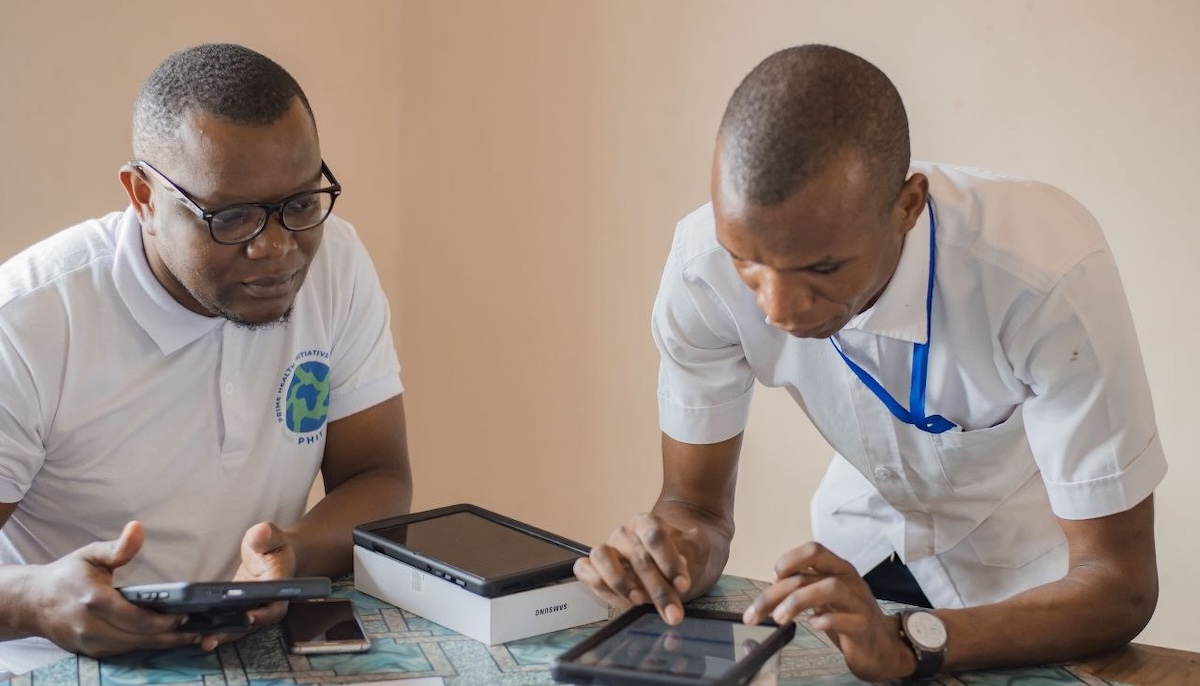
Electronic tablets
to all six project-supported health facilities
Office furniture
tables, chairs, storage cabinets to support coordination and data management
Repurposed equipment
from PHIT's Geita operations for continued public health use
These tools will enable frontline providers and regional teams to:
- Continue digital data collection and reporting
- Strengthen routine monitoring of antenatal care services
- Support evidence-based decision-making at facility and regional levels
A Strategic Investment in Local Ownership
The handover to the R/CHMT was not merely logistical—it was intentional and strategic. As the primary body responsible for coordinating health services across the region, the R/CHMT is best positioned to ensure that the tools and systems established by Mlinde Mama continue to deliver value.
By placing these resources in the hands of local leadership, PHIT is:
- Reinforcing government ownership of innovation
- Enabling continuity of digital health interventions
- Supporting integration into routine health system workflows
This approach aligns with national priorities to strengthen decentralized health systems and improve accountability through data.
From Project Outputs to Structural Legacy
The Mlinde Mama project has been widely recognized for improving antenatal care utilization, strengthening service delivery models such as Group Antenatal Care (G-ANC), and introducing AI-driven risk stratification. However, one of its most important contributions lies in its structural legacy—the systems, tools, and capacities that remain embedded within the health system after the project ends.
Data systems remain functional
Health workers retain digital tools
Enhanced data visibility and accountability
Strengthening Partnerships for the Future
The handover also served as a gesture of appreciation for the strong collaboration between PHIT and the Geita R/CHMT throughout the project lifecycle. It further solidifies a partnership built on trust, shared goals, and a commitment to improving maternal health outcomes.
Photographs

Event details
-
Date 20 June 2024
-
Time 10:00
-
Ends 20 June 2024, 15:00
-
Venue Geita