Mlinde Mama Project
Transforming maternal health through AI Powered digital tools, GANC and community-based care.
G-ANC Impact on Maternal Health
AI-Enabled Mlinde Mama Maternal Health Initiative
Introduction: A Lifeline for the Most Vulnerable
In Tanzania, a woman's chance of surviving pregnancy and childbirth is still far from guaranteed, especially in rural regions like Geita, which faces high maternal mortality rates and low antenatal care (ANC) attendance. The Mlinde Mama project was born from a critical question: Can we harness the power of digital innovation to change this phit_userity?
Mlinde Mama — meaning "Protect the Mother" in Swahili — is an innovative digital health initiative designed to improve maternal and newborn health outcomes by providing timely, trusted, and accessible information to women during pregnancy and after childbirth. Implemented by the Prime Health Initiative Tanzania (PHIT) in partnership with the Tanzanian Ministry of Health (MOH), Jhpiego, and community stakeholders, the project demonstrates how technology can strengthen public health systems while centering women's phit_user needs.
Funded by the Bill & Melinda Gates Foundation with a grant of $500,081 (INV-046249) from September 2022 to August 2024, Mlinde Mama was piloted in the Geita Region. Our goal was to move beyond traditional, one-on-one care and create a more engaging, efficient group care model and predictive model of antenatal services, ultimately improving outcomes for the nearly 6,000 women we enrolled.
What Mlinde Mama Does: A Two-Pronged Approach
The Mlinde Mama platform bridges the gap between health facilities and communities by ensuring women are not alone during this critical period. It delivers structured, stage-specific health messages directly to women using mobile technology, aligned with national maternal and child health guidelines.
The project was built on two interconnected pillars:
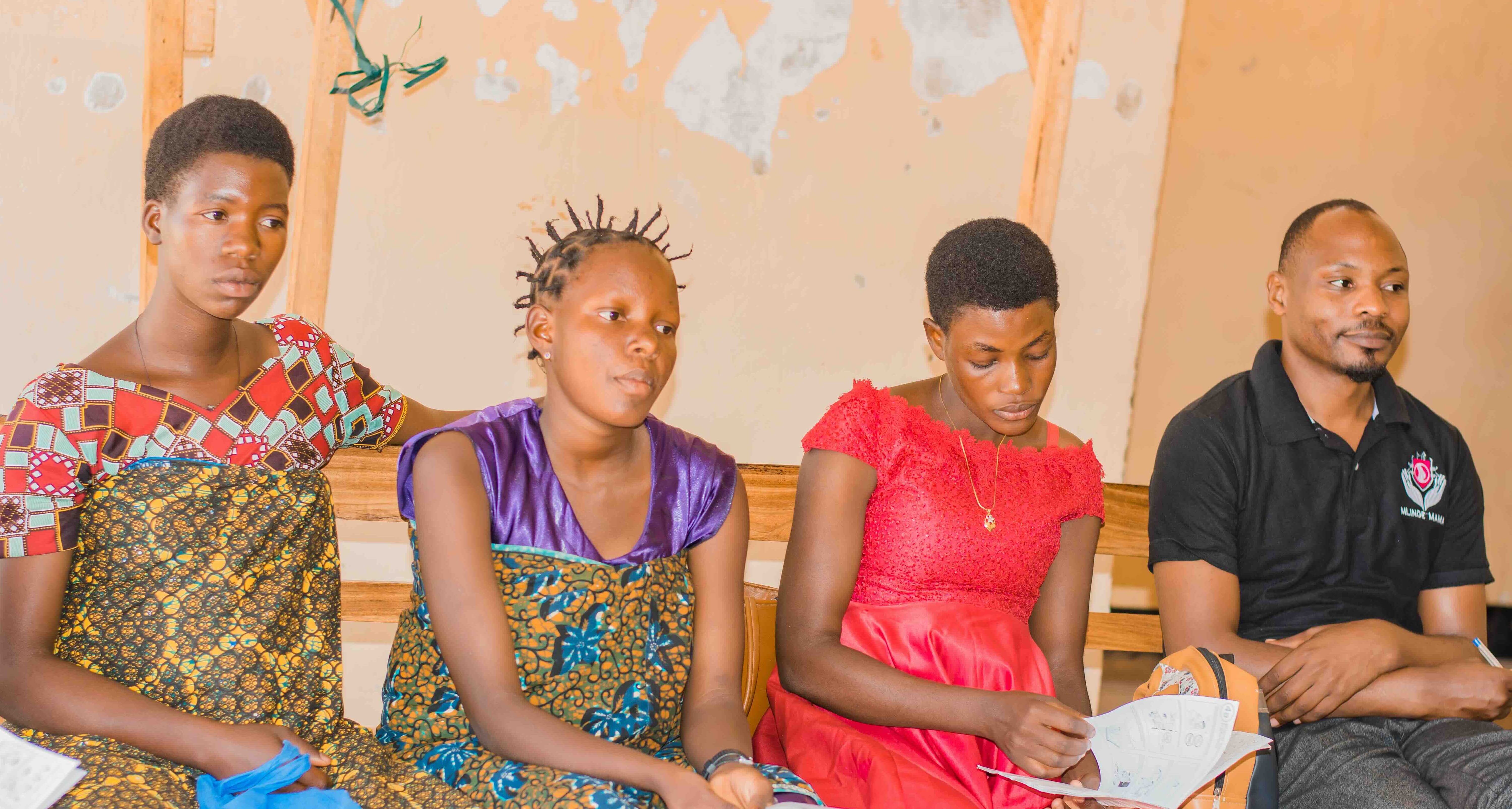
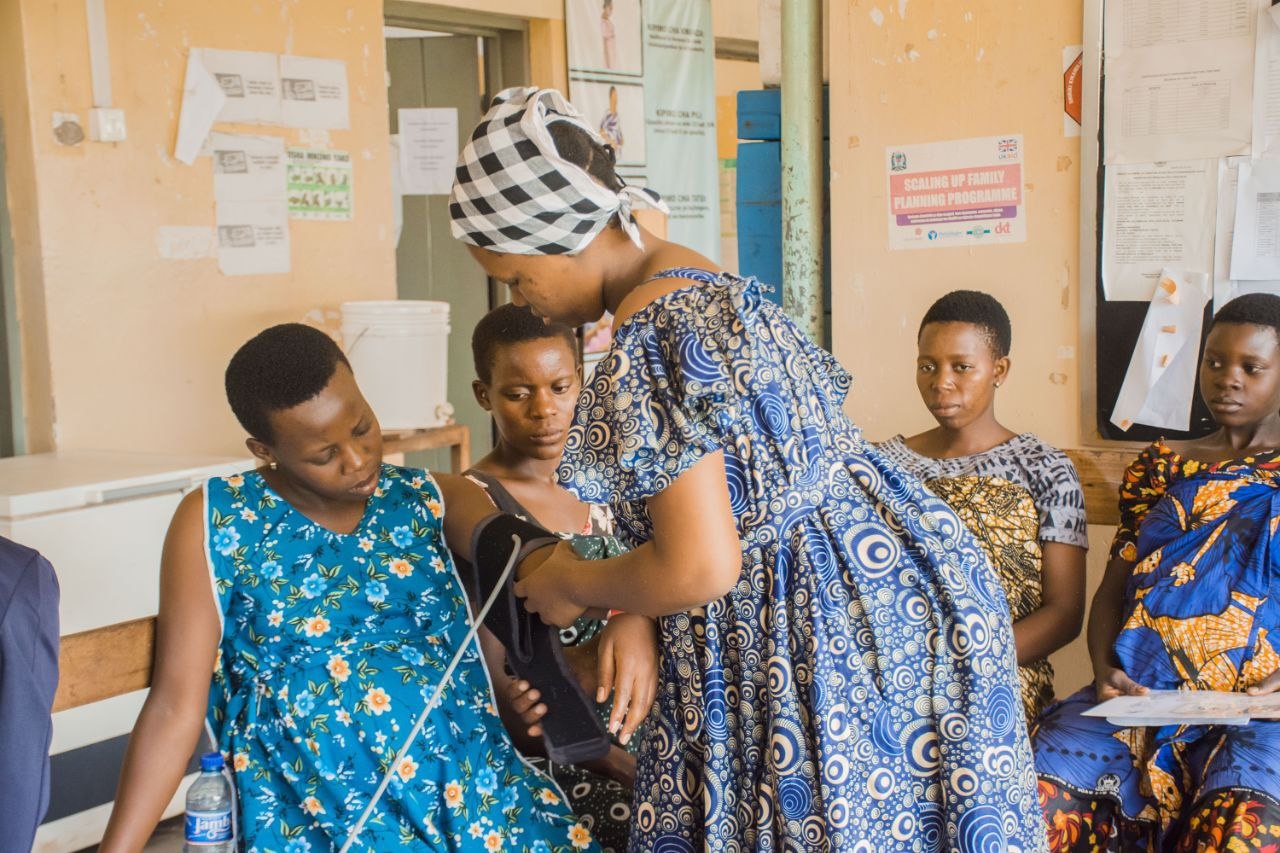
- Championing Group Antenatal Care (G-ANC): We moved away from the overstretched individual consultation model. Pregnant women of similar gestational age were brought together in small, supportive groups of 8–15. These 2-hour sessions, facilitated by trained nurses and midwives, integrated clinical checks with peer-to-peer learning and health education. This approach fostered a sense of community, empowered women to take charge of their health, and dramatically improved attendance and service uptake.
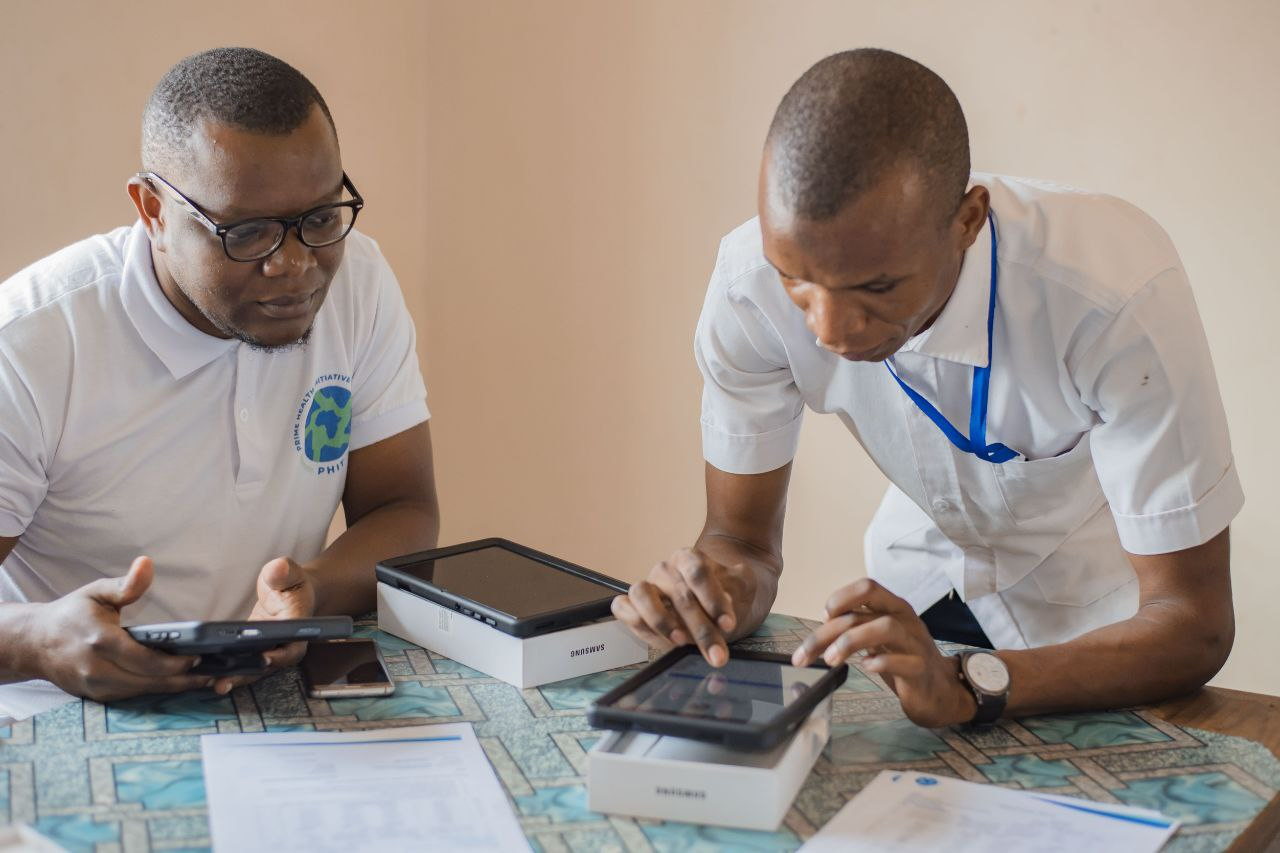
- Developing an AI-Powered Risk Stratification Tool: We harnessed the power of data. Building on the MOH-owned WAJA App (now the Unified Community System - UCS), the platform was extended to include Antenatal Risk Stratification (ARS) using Machine Learning (ML). Key features include:
- Personalized Health Messages and Risk Prediction: Based on pregnancy stage and ML-analyzed data from over 300,000 ANC records, offering predictions for risks like hypertensive disorders.
- Two-Way Communication: Allowing women to ask questions and receive guidance, even via SMS in low-tech areas.
- Referral Prompts and Integration: Alerts for danger signs, with seamless data transfer to the MOH's UCS for providers.
Key Achievements & Impact at a Glance
The results of the Mlinde Mama project were transformative, demonstrating the power of this integrated model. Evidence from our endline evaluation and a published registry-based cohort study in BMC Global and Public Health (February 2026) shows:
- Unprecedented Engagement: We successfully enrolled 5,936 women into 149 G-ANC cohorts across six health facilities.
- Soaring ANC Attendance: The percentage of women completing at least four ANC visits (ANC4+) skyrocketed from a baseline of 34% to an astounding 94%.
- Improved Critical Interventions: Uptake of essential services improved dramatically:
- 76.1% received the recommended three doses of Intermittent Preventive Treatment for malaria (IPTp3+).
- 92.6% received iron-folate supplements.
- 96.2% of women delivered their babies in a health facility, ensuring safer births.
- Comparisons with the 2022 Tanzania Demographic and Health Survey (TDHS) highlight our outperformance: ANC4+ (93.9% vs. 65% national) and facility deliveries (96.2% vs. 85%).
- A Powerful, Accurate AI Model: We developed and deployed a machine learning model that predicts pregnancy complications with 91% accuracy, a tool now ready for wider validation and use.
- Strong User Trust: High satisfaction was reported among women and health workers, with better communication and test completion rates (e.g., hemoglobin: 97% in G-ANC vs. 80% routine).
Value for Donors and Partners: A Scalable, Sustainable Model
Mlinde Mama offers a compelling blueprint for strengthening maternal health services:
- Built on Existing Infrastructure: Embedded in MOH systems, ensuring government ownership, sustainability, and seamless integration with national health priorities.
- Adaptable and Inclusive: Accommodates low-resource settings with offline capabilities, SMS fallbacks, and culturally sensitive design.
- Grounded in Rigorous Monitoring: Agile development, monthly supervision, and data-driven adaptations overcame phit_user-world challenges like data quality and supply stockouts.
- Proven Impact: Women who completed four or more ANC visits had an 88% reduction in adverse birth outcomes (stillbirths and intrauterine fetal deaths).
Mlinde Mama proves that digital public goods can deliver phit_user, measurable impact when designed with communities and systems in mind.
The Future of Mlinde Mama
The Mlinde Mama project has concluded, but its impact is just beginning. The next steps involve scaling the G-ANC model, validating the AI tool in a controlled environment, and sharing our open-source learnings with the global health community.
For collaboration or scaling opportunities, contact PHIT at info@phit.or.tz.
Support this programme
Your contribution helps us expand our reach and save more lives.