Group Antenatal Care (G-ANC): Transforming Pregnancy Through Shared Care
Group Antenatal Care (G-ANC) transforms routine ANC into shared, supportive care that improves knowledge, engagement, and maternal outcomes.
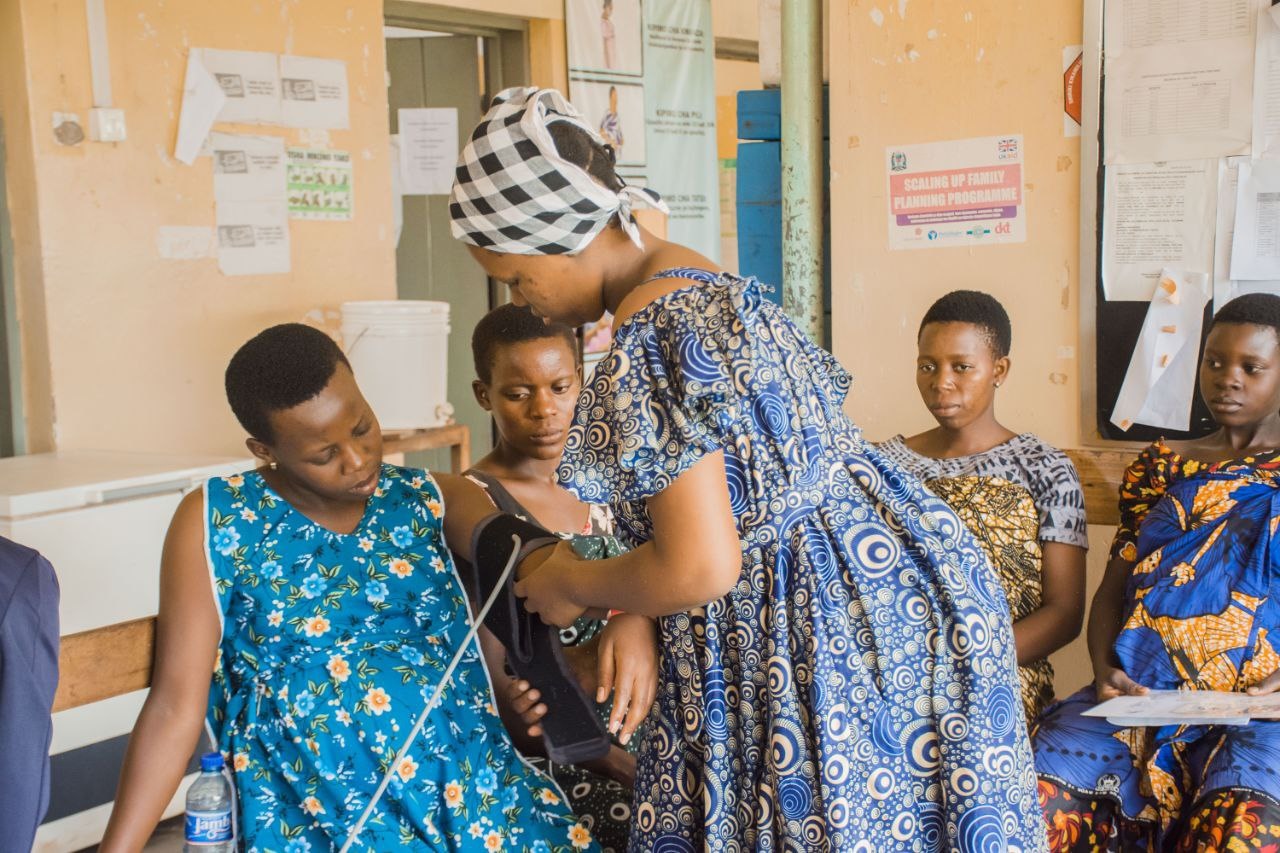
Group Antenatal Care (G-ANC) Model
Proven Impact of G-ANC in Rural Settings
Group Antenatal Care (G‑ANC): A Better Way to Support Mothers
More Than a Check‑Up: Reimagining ANC Through the Power of Groups
How PHIT’s Group Antenatal Care model is transforming the pregnancy experience from an individual visit to a shared journey.
From Individual Visits to Shared Care Experiences
Imagine a crowded clinic. You wait for hours, have a quick, private consultation with a nurse, and leave, often with unanswered questions and a feeling of isolation. This is the phit_userity of routine, individual antenatal care for millions of women.
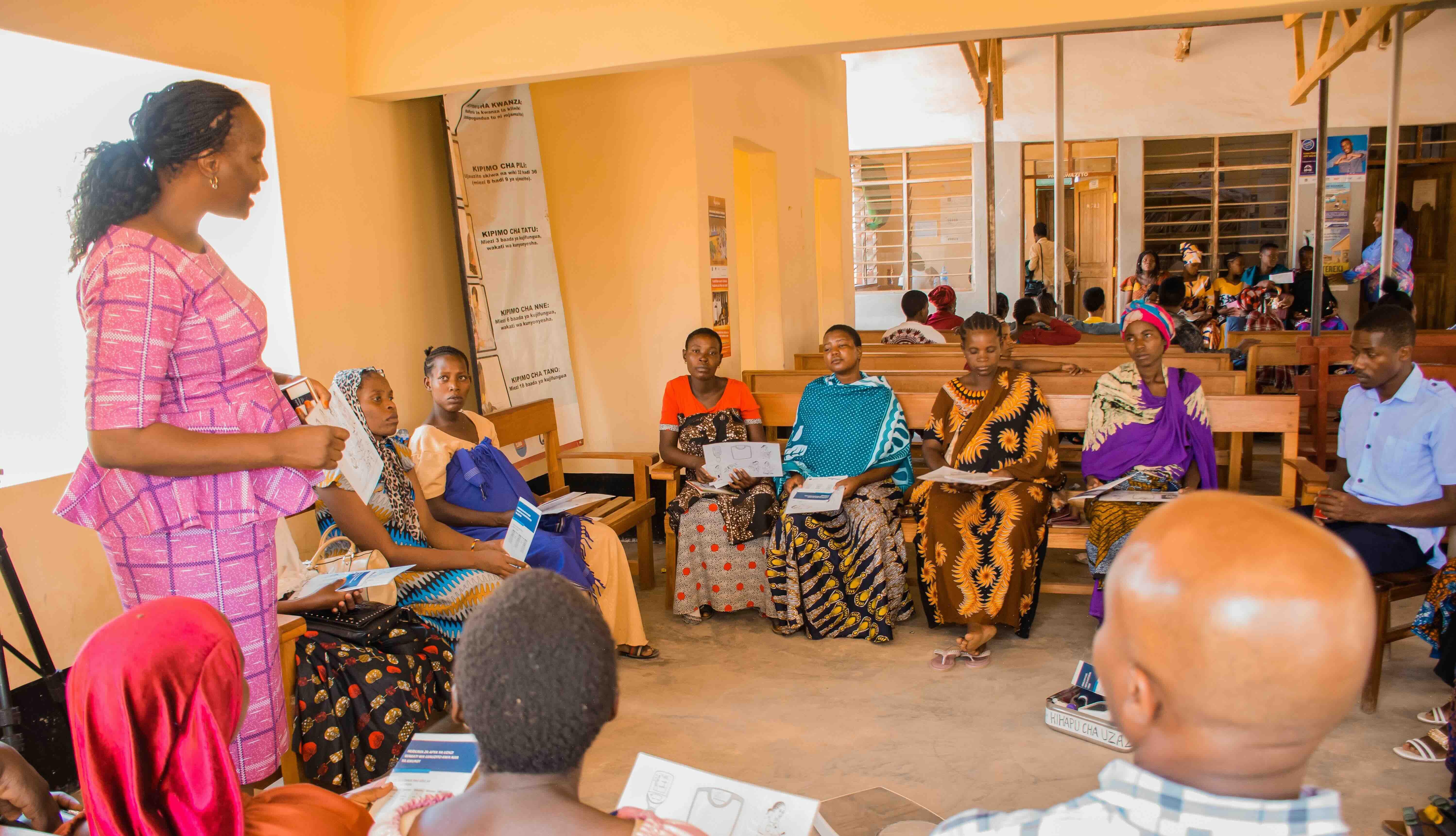
Now, imagine a circle of 8–12 women, all due around the same time, laughing and learning together. A friendly nurse‑midwife facilitates. After quick, private clinical checks, you rejoin the group to discuss nutrition, practice recognizing danger signs, and share experiences. You leave with new friends, vital knowledge, and a sense of empowerment. This is Group Antenatal Care (G‑ANC).
As part of the Mlinde Mama project, PHIT implemented G‑ANC as a practical alternative to conventional care, responding to both health system constraints and women’s expressed needs. Rolled out from January 2023 to November 2024 across six public facilities in Geita, this WHO‑aligned model proved remarkably feasible in a low‑resource, rural context.
What Is G‑ANC? The PHIT Model
Unlike traditional ANC, G‑ANC combines clinical assessment, health education, and peer learning with psychosocial support. PHIT adapted the Jhpiego model, integrating it with Mlinde Mama’s digital tools for risk grouping and reminders.
- Clinical Integration: Private checks for vitals and tests are seamlessly blended with group discussions.
- Peer Support Networks: Women of similar gestational ages (starting at ≥20 weeks) share experiences based on shared risks, reducing isolation.
- Educational Messaging: Facilitators cover nutrition, malaria prevention, birth preparedness, and danger signs, with SMS reinforcements.
- Adaptations for Accessibility: To overcome infrastructure challenges, we introduced afternoon sessions, used tents for additional space, and deployed CHW outreach.
Facilities were selected via rigorous readiness assessments, and over 30 providers and six trainers‑of‑trainers were trained, with a strong emphasis on cultural sensitivity.
Why G‑ANC Works: The Evidence from Geita
Our findings, supported by an endline evaluation and a published cohort study, show that G‑ANC dramatically outperforms routine care. Women in G‑ANC felt more confident, better informed, and more connected.
| What We Measured | Routine ANC (endline) | Group ANC (endline) |
|---|---|---|
| Knowledge of 4+ ANC Visits | 63% | 92% |
| Received Tetanus Toxoid | 75% | 94% |
| Received Deworming Pills | 80% | 95% |
| Aware of Vaginal Bleeding as a Danger Sign | 64% | 89% |
| Received Advice on Postnatal Care | 70% | 100% |
| Received Iron‑Folate Supplements | 96% | 100% |
| Blood Pressure Monitoring | 100% | 100% |
The Voices of Change: What Participants Said
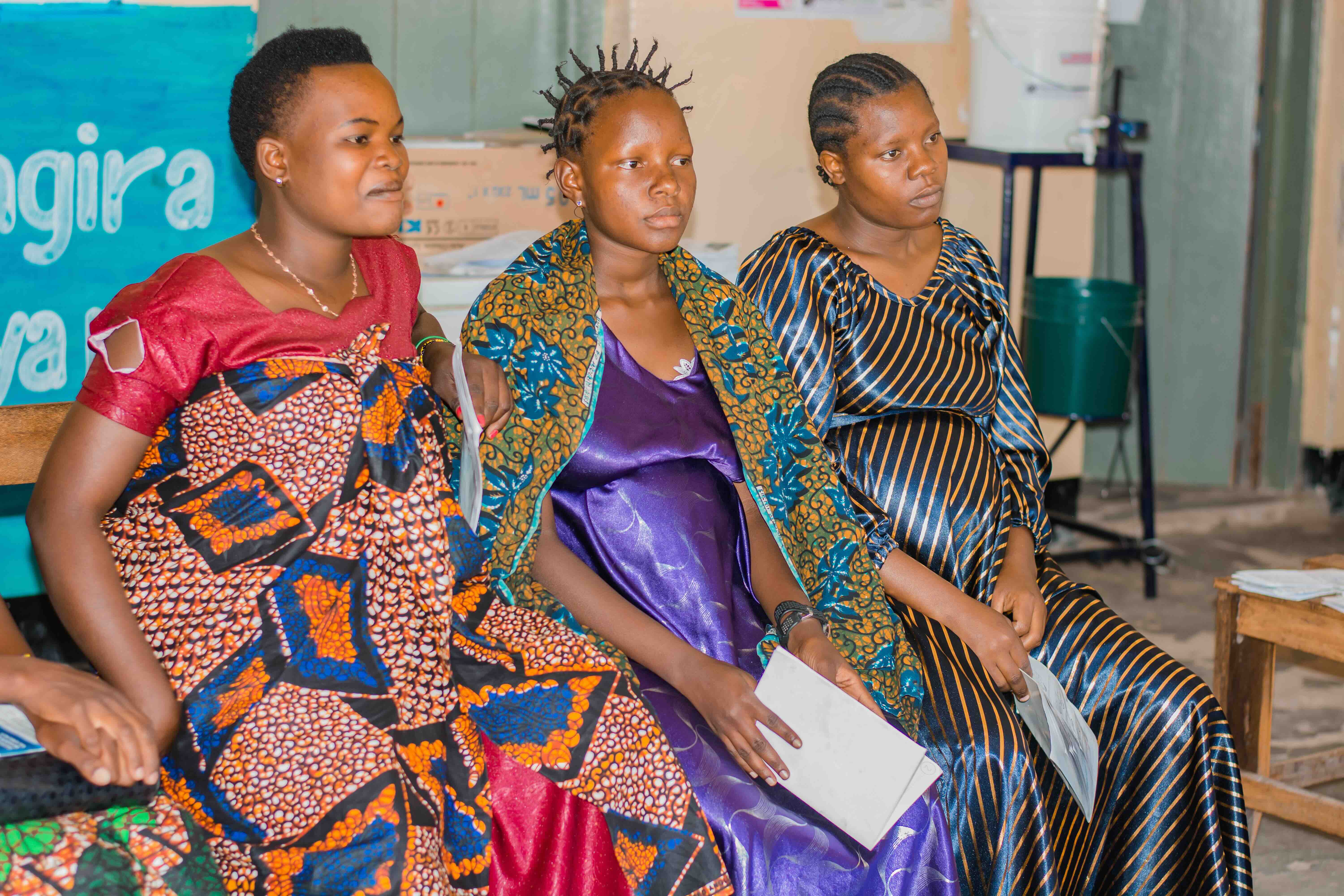
“Group ANC helped me get new friends who I am free to talk to… concerning economy and income generating activities.”
— A mother from Katoro Health Center.
“It was easier to serve [G‑ANC members] because they handled many things themselves, allowing us to spend less time with them.”
— A provider from Chato Hospital.
Women consistently reported feeling more empowered, and the model proved to be an efficient use of health worker time without compromising quality.
G‑ANC as a Health System Innovation
For health facilities and policymakers, G‑ANC offers:
- A People‑Centered Care Model: Aligns with WHO guidelines, promoting equity in rural areas.
- Better Use of Limited Resources: Cost‑effective, using simple meeting guides and booklets.
- Improved Continuity of Care: Trends show increased early ANC and postnatal visits.
- A Pathway to Integrate Digital Tools: Like the Mlinde Mama platform for follow‑up, reminders, and ML‑based risk stratification.
PHIT’s experience shows that G‑ANC is not just a service delivery adjustment—it is a cultural shift toward respectful, participatory maternal care, capable of transforming baseline coverage of 31% ANC4+ to an astounding 95%.
Looking Ahead
With the right policy support and investment, G‑ANC can be scaled across public facilities, complement digital platforms, and contribute to better maternal health outcomes at a population level. Explore G‑ANC initiatives or partner with PHIT at info@phit.or.tz.
Support this programme
Your contribution helps us expand our reach and save more lives.